Source Multicolor Motorcycle Tail Brake Light for Racing, Daily, and Off-Road
Source a multicolor motorcycle tail brake light from 30 verified listings. Compare options featuring DC 12V compatibility, IP68 waterproofing, and universal fitment for various motorcycle models. Evaluate specs like 3-wire or 5-wire systems, ABS housing, and integrated functions including brake, running, and license plate illumination.
Key considerations
Products List
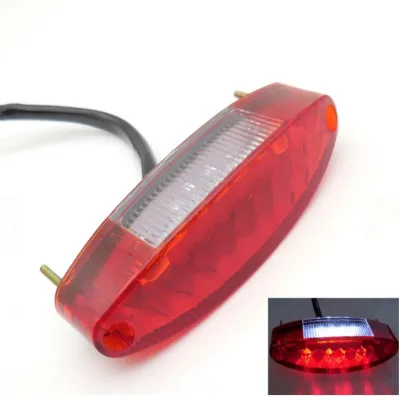
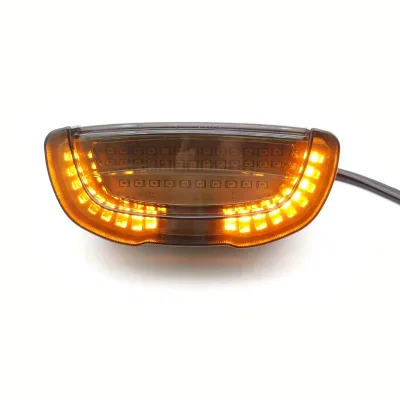
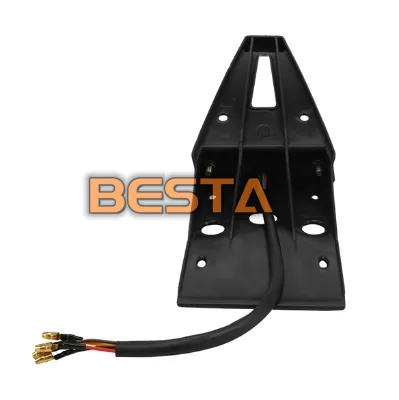
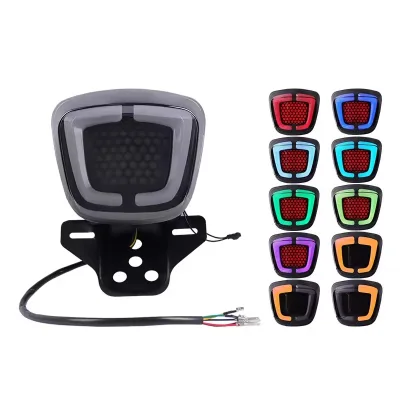
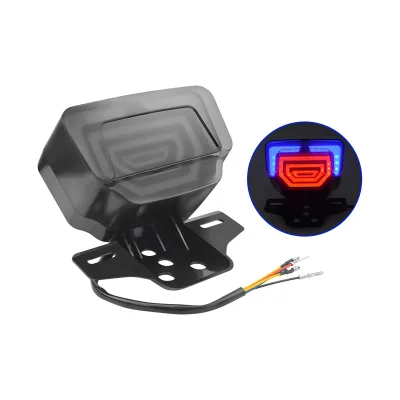
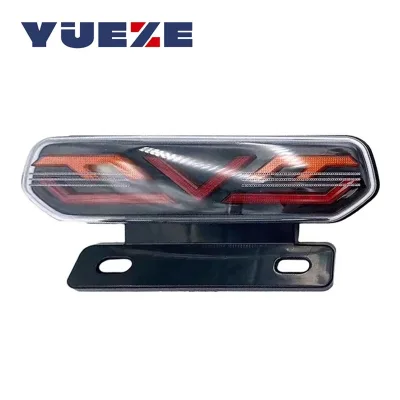
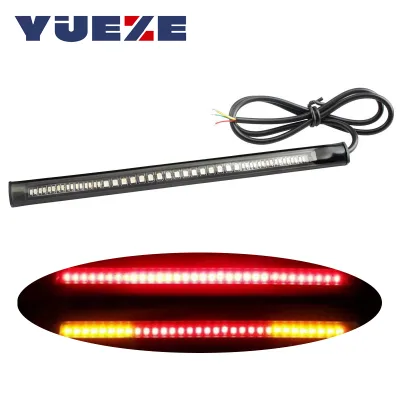
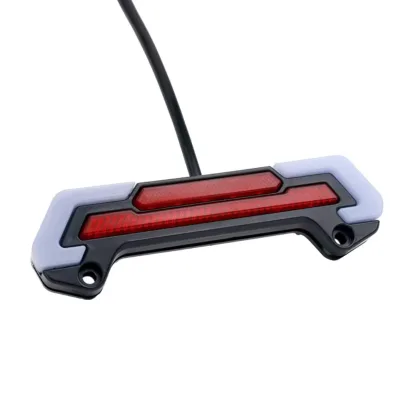
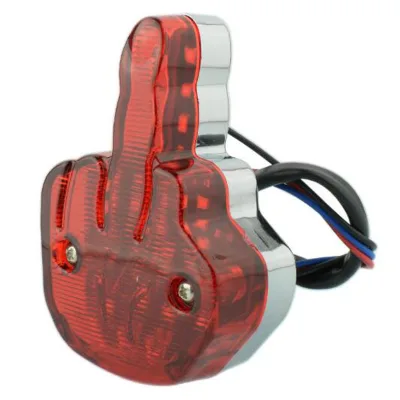
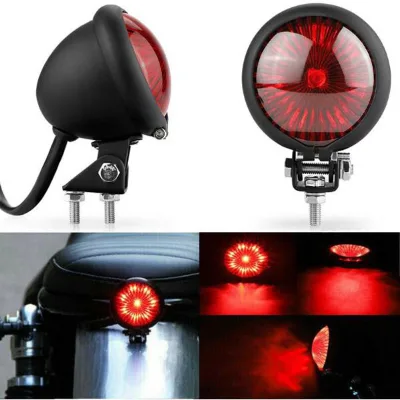
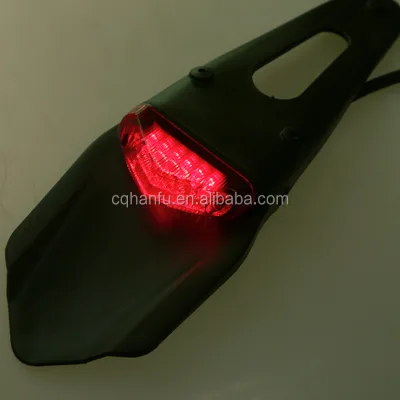


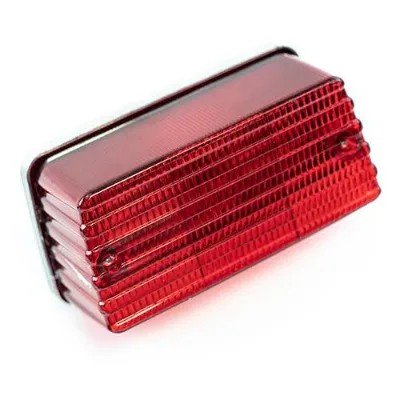
Comprehensive Sourcing Guide
Multicolor Motorcycle Tail Brake Light Sourcing Guide
Sourcing multicolor motorcycle tail brake lights requires careful attention to electrical architecture and optical clarity, as these components serve critical safety functions. Buyers must distinguish between simple two-wire running lights and complex multi-function units that integrate brake, turn signal, and license plate illumination. The observed market data indicates a strong presence of universal fitment options originating from Guangdong, China, which suggests a mature supply chain for aftermarket replacements. Understanding the specific wire configuration is paramount, as three-wire systems typically handle basic running and braking functions, while five-wire systems are necessary for models requiring integrated turn signals and separate plate lighting.
Procurement decisions should also account for the physical dimensions and housing materials, which vary significantly across different model numbers such as the CX-TL107-1 or ITA0538. These variations impact installation compatibility with existing motorcycle frames and wiring harnesses. Buyers should prioritize suppliers who provide clear single package sizes and gross weights to facilitate accurate logistics planning. The presence of waterproof ratings like IP68 in some listings highlights the importance of environmental sealing for durability, ensuring that the light assembly can withstand rain and road debris without internal condensation or electrical failure.
Product Scope and Observed Listing Signals
The current market landscape for motorcycle tail lights features a diverse range of product attributes, including varying lens colors, housing finishes, and functional integrations. Observed listings show options with red lenses paired with clear sections for license plates, as well as smoke lens variants that offer a distinct aesthetic appeal. The functional scope extends beyond basic illumination, with many units combining brake lights, running lights, turn signals, and license plate illumination into a single compact unit. This integration reduces the need for multiple separate components, simplifying the installation process for mechanics and end-users alike.
Brand presence in the observed data includes names like CXMOTO, ISMARTELEC, and tengfa, indicating a competitive field with multiple manufacturers offering similar specifications. Model numbers such as CX-TL056 and YZ-MTL-Tail Light suggest that buyers must verify compatibility with specific motorcycle makes and models, even when products are marketed as universal fit. The weight of these units ranges from approximately 68 grams to 700 grams, reflecting differences in material thickness, battery integration, or additional features. Buyers should carefully review the single gross weight and package dimensions to ensure they align with their shipping and handling capabilities.
Technical Specifications to Verify
Electrical compatibility is the most critical technical factor when sourcing these lights, as mismatched voltage or wire configurations can lead to immediate failure or damage to the motorcycle’s electrical system. The observed data confirms that most units operate on DC 12V, which is standard for motorcycles, but buyers must verify the exact wire count and function mapping. For instance, a five-wire system requires distinct connections for running, brake, left turn, right turn, and license plate lights, whereas a three-wire system may combine some functions. Misinterpreting these requirements can result in non-functional turn signals or incorrect brake light activation, compromising rider safety.
Optical performance and durability specifications also require rigorous verification, particularly regarding lens material and waterproofing standards. Listings mentioning IP68 ratings indicate a high level of protection against dust and water immersion, which is essential for long-term reliability in adverse weather conditions. Additionally, the lifespan of the LED components, cited as up to 50,000 hours in some cases, suggests a significant advantage over traditional incandescent bulbs. Buyers should confirm the material composition of the housing, such as ABS plastic, to ensure it can withstand vibration and temperature fluctuations without cracking or discoloration over time.
Compliance and Safety Documentation
While specific certification statuses are not explicitly detailed in the observed product data, buyers must ensure that any tail light meets local road safety regulations for color, brightness, and placement. In many jurisdictions, brake lights must emit a red light, while turn signals may require amber or red illumination depending on regional laws. The observed listings mention red light for brake running and amber light for turn signals, which generally aligns with international standards, but buyers should verify compliance with the specific regulations of their target market. Failure to meet these standards can result in legal liabilities and product recalls.
Documentation should also include clear wiring diagrams and installation instructions to facilitate proper setup and reduce the risk of electrical errors. Buyers should request detailed product datasheets that specify the luminous intensity, beam pattern, and power consumption of each function. This information is crucial for ensuring that the light is visible from the required distances and does not drain the motorcycle’s battery excessively. Additionally, warranty terms should be clearly defined, with some listings offering warranty coverage that provides assurance against manufacturing defects, though the specific duration and conditions vary by supplier.
Cost Drivers and Commercial Terms
Pricing for motorcycle tail lights is influenced by several factors, including the complexity of the electrical system, the quality of materials used, and the level of integration of multiple functions. The observed price range of 0.36 to 25 USD reflects this variability, with simpler units costing less and complex, multi-functional lights with premium features commanding higher prices. Buyers should consider the total cost of ownership, which includes not only the unit price but also shipping costs, potential customs duties, and the cost of any necessary adapters or additional wiring. Bulk purchasing may offer significant discounts, but buyers must balance this with their inventory management capabilities.
Minimum Order Quantities (MOQ) also play a significant role in commercial terms, with observed ranges from 1 to 1000 pieces. Low MOQs are beneficial for small-scale retailers or individual mechanics who need to test products before committing to larger orders, while high MOQs are suitable for large distributors seeking economies of scale. Buyers should negotiate flexible terms that allow for mixed models or colors within a single order to reduce the risk of holding obsolete inventory. Additionally, payment terms and lead times should be clearly agreed upon to ensure timely delivery and maintain cash flow efficiency.
Supplier Qualification and Quality Control
Evaluating supplier reliability is essential to ensure consistent product quality and timely delivery, particularly when sourcing from international manufacturers. Buyers should verify the supplier’s production capabilities, quality control processes, and track record in the motorcycle parts industry. The observed data indicates that many suppliers are located in Guangdong, China, a region known for its electronics manufacturing expertise, but buyers should still conduct due diligence to confirm the supplier’s legitimacy and operational stability. Requesting samples before placing large orders is a prudent step to assess build quality, optical performance, and electrical functionality.
Quality control measures should include rigorous testing of each unit for waterproofing, electrical continuity, and light output consistency. Buyers should inquire about the supplier’s defect rate and their process for handling returns or replacements. A robust warranty policy, such as the one mentioned in some listings, indicates a supplier’s confidence in their product quality. Additionally, buyers should assess the supplier’s communication responsiveness and ability to provide technical support, as these factors are crucial for resolving any issues that may arise during installation or operation.
Long-Term Procurement Checks
Establishing a long-term procurement strategy involves monitoring product performance and supplier reliability over time to ensure continued satisfaction and value. Buyers should track key performance indicators such as defect rates, customer feedback, and warranty claim frequency to identify any emerging quality issues. Regularly reviewing supplier performance against agreed-upon metrics helps maintain high standards and provides leverage for negotiations on pricing and terms. Additionally, staying informed about changes in regulations and market trends allows buyers to adapt their product offerings to meet evolving customer needs and legal requirements.
Continuous improvement in the supply chain can be achieved by fostering strong relationships with suppliers and encouraging collaboration on product development. Buyers should provide feedback on product performance and suggest improvements based on customer experiences, which can lead to better product designs and enhanced functionality. Regular audits of supplier facilities and processes can also help identify areas for improvement and ensure compliance with quality and ethical standards. By maintaining a proactive approach to procurement, buyers can secure a reliable supply of high-quality motorcycle tail lights that meet the demands of their customers.
FAQs
What voltage do these motorcycle tail lights operate on?
These motorcycle tail lights operate on DC 12V voltage. This standard voltage ensures compatibility with most motorcycle electrical systems. The product specifications confirm the 12V requirement for both running and brake functions, allowing safe installation without additional voltage converters.
Which functions are included in the LED taillight assembly?
The LED taillight assembly includes brake light, running light, and license plate light functions. Some models also integrate turn signal lights with amber illumination. This multi-function design simplifies wiring and replaces multiple separate components on the motorcycle rear end effectively.
Can I find universal fit options for this tail light?
Yes, universal fit options are available for this tail light. The product is designed to fit various motorcycle models without requiring specific mounting brackets. This flexibility allows buyers to source a single unit that adapts to different bike frames and rear fender configurations easily.
How long is the expected lifespan of the LED components?
The expected lifespan of the LED components is 50,000 hours. This extended durability ensures long-term reliability for daily riding conditions. The high-quality LEDs maintain consistent brightness over time, reducing the need for frequent replacements or maintenance on the motorcycle rear lighting system.
What is the waterproof rating for these motorcycle lights?
The waterproof rating for these motorcycle lights is IP68. This high rating ensures complete protection against dust and prolonged water immersion. Riders can use these lights in heavy rain or wet conditions without worrying about electrical failure or corrosion damaging the internal LED components.
Which wire system configuration is used for the brake light?
The wire system configuration uses either 3-wire or 5-wire setups depending on the specific model. The 3-wire system typically handles brake and running functions, while the 5-wire system adds turn signal capabilities. Buyers should check the specific model number to confirm the exact wiring requirements.
What is the minimum order quantity for purchasing these lights?
The minimum order quantity varies, with some listings starting at just 2 pieces. Other suppliers may require up to 1000 pieces depending on the specific model and customization needs. Buyers can find flexible options to match their inventory requirements or small-scale repair projects effectively.